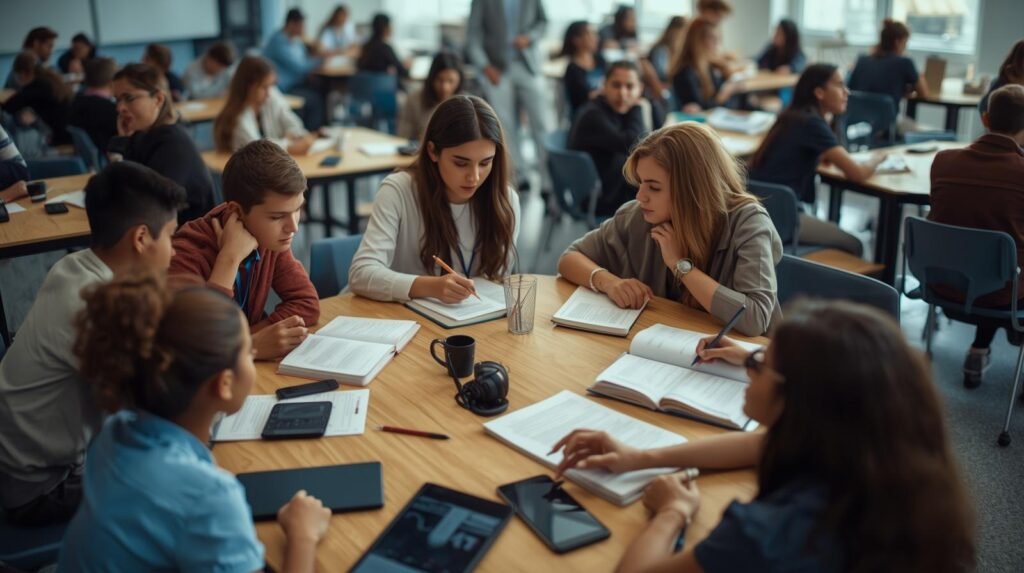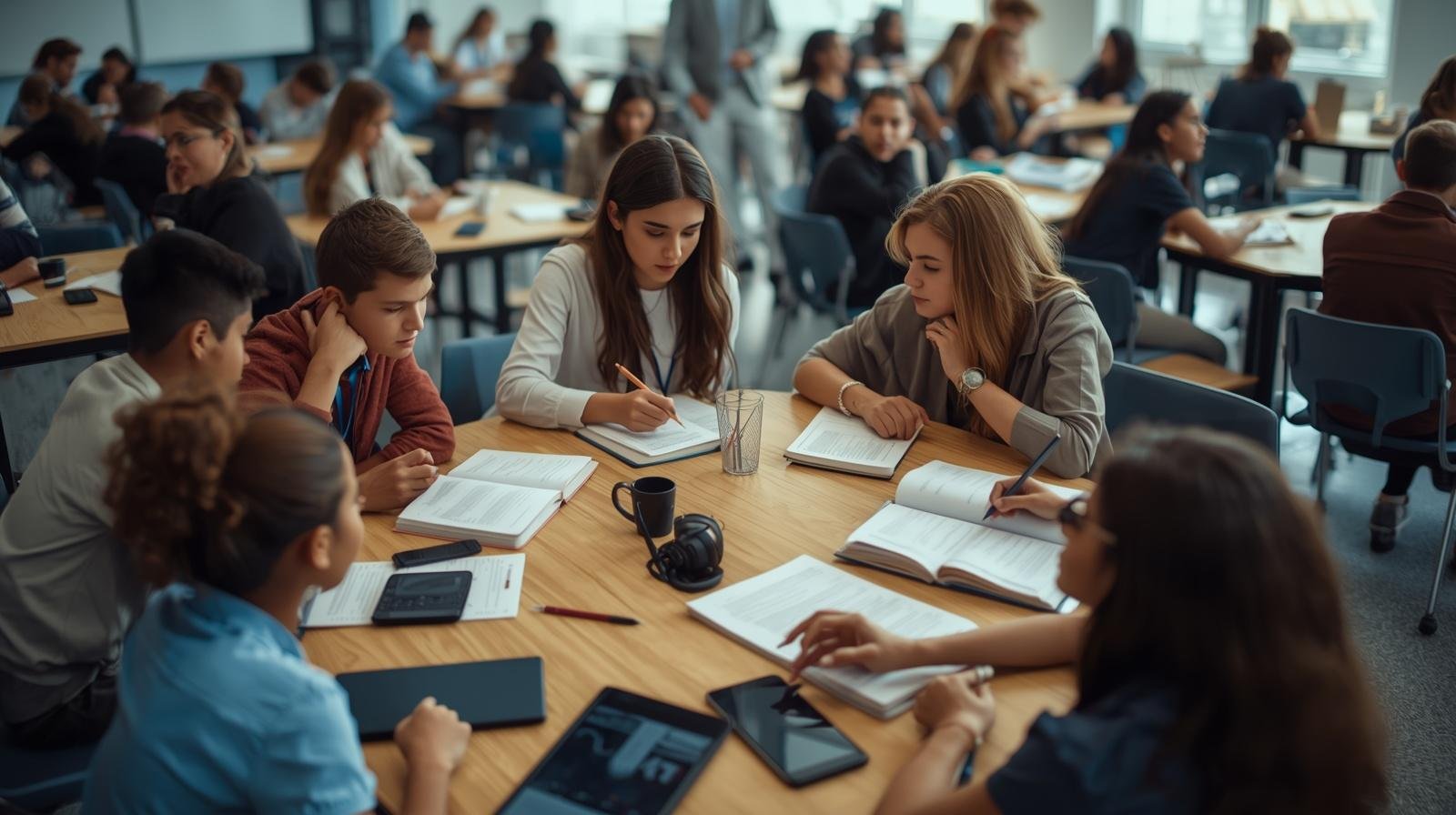

Teaching methods are the techniques and strategies teachers use to deliver lessons and help students learn. In modern classrooms, teaching is not limited to lectures or textbooks. Teachers use a combination of traditional and digital methods to engage students, develop understanding, and ensure skills are applied in real-life situations.
This article explores the various teaching methods, their implementation in classrooms, and how they support learning outcomes. It also explains the role of technology, classroom management, and assessment in modern education.
Understanding Teaching Methods
Teaching methods are structured approaches to delivering knowledge. They include activities, exercises, and strategies that promote student engagement. Effective teaching methods address different learning styles, including visual, auditory, and kinesthetic learning.
The choice of teaching method depends on:
Subject matter
Student age and level
Classroom size
Learning objectives
Traditional Teaching Methods
- Lecture Method
The lecture method involves the teacher explaining concepts to the students. This method is suitable for delivering large amounts of information in a short time. Teachers can combine lectures with questions to keep students engaged.
Benefits:
Efficient for covering syllabus
Easy to organize
Provides structure for lessons
Challenges:
Less interactive
Students may forget content without practice
- Discussion Method
The discussion method encourages students to participate in conversations about topics. Teachers guide discussions, ask questions, and help students explore different viewpoints.
Benefits:
Promotes critical thinking
Encourages active participation
Builds communication skills
Challenges:
Can be time-consuming
May require smaller class sizes
- Demonstration Method
The demonstration method shows students how to perform a task. Teachers explain steps while performing the activity. This method is common in science experiments, computer labs, and practical lessons.
Benefits:
Students see real-life application
Easy to understand complex concepts
Engages multiple senses
Challenges:
Requires preparation
Limited use for theoretical subjects
- Questioning Method
The questioning method involves asking students questions to stimulate thinking and check understanding. Open-ended questions promote deeper learning, while closed questions assess factual knowledge.
Benefits:
Encourages active participation
Develops problem-solving skills
Provides immediate feedback
Challenges:
Some students may be hesitant to answer
Requires teacher skill in framing questions
- Problem-Based Learning (PBL)
PBL uses real-life problems as the basis for learning. Students work individually or in groups to find solutions. Teachers guide the process without providing direct answers.
Benefits:
Encourages critical thinking
Promotes collaboration
Connects learning with practical application
Challenges:
Time-intensive
Requires careful problem selection
Modern Teaching Methods
- Blended Learning
Blended learning combines traditional classroom teaching with online resources. Students access video lessons, digital exercises, and online discussions alongside face-to-face instruction.
Benefits:
Flexible learning pace
Access to diverse resources
Supports different learning styles
Challenges:
Requires internet access
Students need self-discipline
- Flipped Classroom
In a flipped classroom, students study content at home through videos or reading material. Classroom time is used for exercises, discussions, and applying concepts.
Benefits:
Maximizes classroom interaction
Students prepare before class
Encourages active learning
Challenges:
Students must complete pre-class preparation
Teachers need to plan activities carefully
- Collaborative Learning
Collaborative learning involves students working in groups to complete tasks or projects. It emphasizes teamwork, problem-solving, and communication.
Benefits:
Encourages peer learning
Builds social skills
Promotes deeper understanding
Challenges:
Group dynamics may affect learning
Some students may rely on others
- Technology-Enhanced Learning
Using technology in classrooms includes smartboards, tablets, online quizzes, and educational apps. Technology supports interactive learning and provides immediate feedback.
Benefits:
Engages students
Offers personalized learning paths
Facilitates data collection on progress
Challenges:
Requires training for teachers
Maintenance and cost can be high
- Experiential Learning
Experiential learning allows students to learn by doing. This includes simulations, field trips, role-playing, and hands-on projects.
Benefits:
Reinforces practical skills
Encourages reflection and critical thinking
Connects theory to practice
Challenges:
Needs resources and planning
Not always feasible for all subjects
Choosing the Right Teaching Method
Selecting the appropriate teaching method depends on multiple factors:
Learning Objectives – Identify what students should achieve by the end of the lesson.
Student Profile – Consider age, prior knowledge, and learning styles.
Resources – Determine what materials, technology, or space are available.
Assessment Strategy – Align teaching methods with evaluation techniques.
Classroom Size – Some methods work better in small groups than large classes.
Classroom Management and Teaching Methods
Effective teaching methods require classroom management strategies:
Clear Rules: Establish classroom expectations.
Time Management: Allocate time for activities and discussions.
Student Engagement: Encourage participation and address distractions.
Feedback: Provide constructive feedback to guide learning.
Support: Offer help to students who struggle with content.
Role of Assessment in Teaching Methods
Assessment measures the effectiveness of teaching methods and student learning. Types of assessment include:
Formative Assessment: Ongoing evaluation during lessons.
Summative Assessment: End-of-term tests or projects.
Peer Assessment: Students evaluate each other’s work.
Self-Assessment: Students reflect on their own learning.
Assessment results help teachers adjust methods and improve student outcomes.
Integrating Technology and Teaching Methods
Technology integration enhances teaching methods:
Interactive Whiteboards: Visual explanations and annotations.
Learning Management Systems (LMS): Organize content, track progress, and communicate with students.
Online Quizzes and Polls: Immediate feedback and engagement.
Virtual Labs and Simulations: Safe environment for experiments and practice.
Educational Apps: Reinforce learning outside the classroom.
Challenges in Modern Teaching Methods
Resistance to Change: Teachers and students may be reluctant to adopt new methods.
Digital Divide: Not all students have access to technology.
Over-reliance on Technology: Technology should complement, not replace, instruction.
Time Constraints: Planning and implementing modern methods require effort.
Benefits of Effective Teaching Methods
Enhanced Learning: Students understand concepts better.
Student Engagement: Active participation increases motivation.
Skill Development: Students build problem-solving, communication, and critical thinking skills.
Adaptability: Students learn to apply knowledge in different contexts.
Improved Outcomes: Teaching methods aligned with objectives lead to better academic results.
Teacher Training and Development
Teachers need training to implement modern teaching methods effectively:
Workshops on digital tools
Seminars on active learning techniques
Peer learning and mentoring
Online courses for professional development
Continuous professional development ensures teachers stay updated with new strategies.
Future of Teaching Methods
Teaching methods will continue to evolve with technology and research in education. Trends include:
Increased use of artificial intelligence for personalized learning
Virtual and augmented reality for immersive experiences
Data-driven teaching for better outcomes
Global collaboration through online platforms
These changes aim to make learning more effective and accessible.